In the final year of primary school, language learning becomes more engaging and in-depth. The German language course for Year 4 acts as a bridge between the first steps and systematic study, preparing the child for the transition to secondary school. Year 4 pupils already have a basic vocabulary and know the main rules, so the main task now is to bring these pieces together into a coherent whole and teach them how to use the language in real life.
In this article, we’ll take a detailed look at how a Year 4 German textbook is structured, what you should use to supplement it, and how to make learning an easy and effective habit.
An overview of German textbooks for Year 4
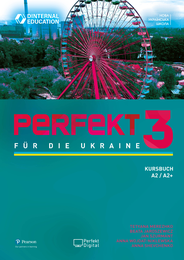
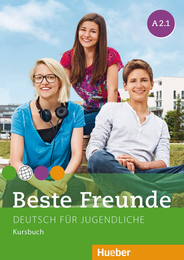
Modern teaching programmes for Year 4 (such as the ‘Perfekt’ series for Ukraine or ‘Beste Freunde’) are designed with a communicative and activity-based approach in mind. The main aim of such resources is not simply to teach children to read or complete written exercises, but to develop their ability to express themselves freely in German.
A modern German language textbook for Year 4 stands out for its clear structure, rich visual design and adapted texts. The learning material is presented through situational dialogues, interactive tasks and project-based work, which helps to maintain the child’s interest in the subject.
Structure and content of the textbooks
The teaching material for Year 4 is divided into logical thematic blocks covering everyday aspects of a pupil’s life. Among the most popular are:
My environment and friends. Exploring topics such as family, relationships with peers, appearance and personality.
School life and leisure. Timetables, favourite subjects, clubs, sport and hobbies.
The City and Travel. Finding your way around the city, transport, shopping, leisure and holidays.
Nature and Festivals. The seasons, the weather, the environment, and festive traditions in Ukraine and German-speaking countries.
Each section contains exercises to develop all four language skills: reading, listening, speaking and writing. There are also summary tests at the end of each section for self-assessment.
Additional materials and resources for learning
To achieve the best results, the textbook should be supplemented with a comprehensive learning pack. This includes materials for audio-based language learning and workbooks.
Audio support and interactive exercises
Audio recordings, read by native speakers, are an essential part of the course. They help children develop correct German pronunciation, acquire natural intonation and learn to understand the language by ear. Interactive online exercises further engage pupils in a game-based learning process.
Workbooks and test booklets
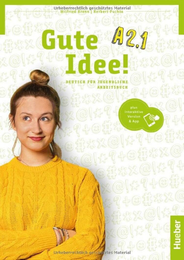
The workbook (Arbeitsbuch) is a direct supplement to the textbook. Pupils practise grammar rules and vocabulary in real-life contexts. Test booklets and flashcards allow teachers and parents to monitor progress and address any gaps in knowledge in good time.
Recommendations for effective German language learning in Year 4
To ensure that learning German yields consistent results, it is important to make it a natural part of the child’s daily life. Instead of gruelling, hours-long sessions once a week, short daily practice sessions of 15–20 minutes are far more effective. Learning will be more effective and engaging if you constantly vary the formats: combine work from the textbook with listening to children’s songs or watching short educational cartoons.
In addition, it’s helpful to create a relaxed language environment at home — simply encourage your child to use simple German phrases in everyday situations, such as greetings, expressions of thanks, or the names of common household items.
Good luck with your learning! And at Dinternal Education, we’re always on hand to help you choose the best learning materials.
FAQ
Which German textbooks are recommended for Year 4?
We recommend using teaching and learning resources that comply with the New Ukrainian School (NUS) curriculum and the CEFR requirements (level A1.2). Among the popular publications are the series from Dinternal Education (in particular, Perfekt 3).
How do I choose a German textbook for Year 4?
When making your choice, look for clearly structured material, the inclusion of audio resources, a high-quality workbook, and content tailored to the developmental needs of 9–10-year-olds.
What topics do German textbooks for Year 4 cover?
The main topics include: ‘School and school subjects’, ‘My day and routine’, ‘My town/village’, ‘Shopping and food’, ‘Travel and leisure’, ‘Holidays and traditions’.









 ArrivalsNew Sale